 admin
adminThe Brutal Truth from a Familiar Face: Analyzing David Moyes’ Scathing Everton Admission
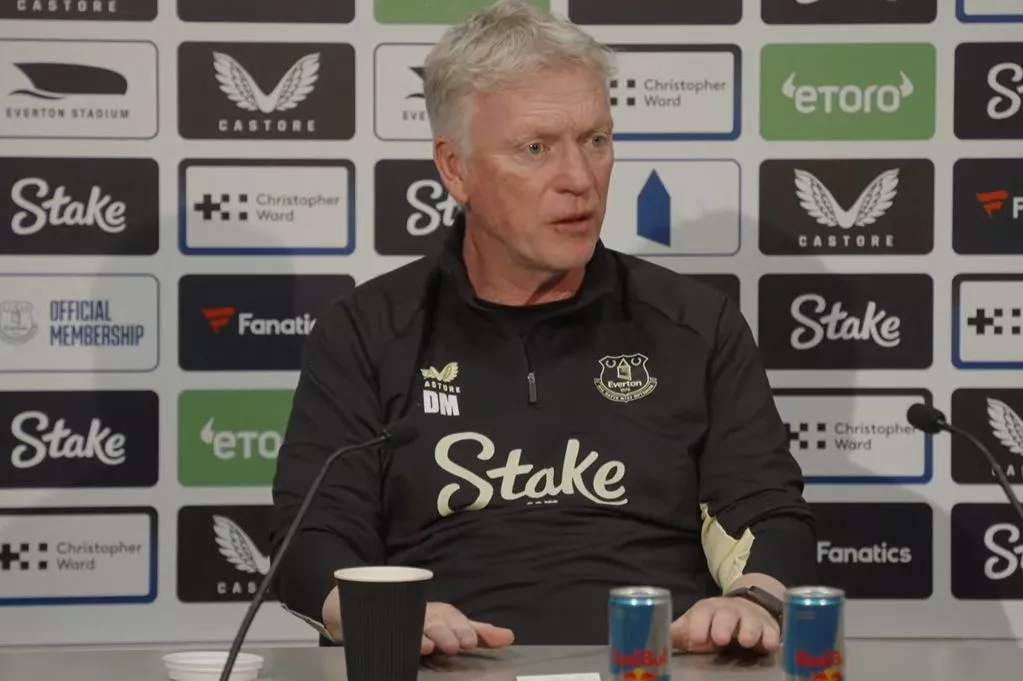
David Moyes’ recent blunt assessment of Everton’s set-piece performance – labeling it “rubbish” – has reverberated across the footballing landscape, particularly among the Toffees faithful. This isn’t just another disgruntled observation from a pundit; it carries the weight of a man who once defined Everton for over a decade, a figure whose return to Goodison Park was met with a mixture of hope and nostalgia. His brutally honest admission cuts through any attempts at sugarcoating the current reality and forces a stark examination of a persistent and glaring deficiency within the team.
Moyes’ words, delivered with his characteristic straightforwardness, highlight a fundamental flaw that has plagued Everton’s recent campaigns. For a team boasting considerable aerial prowess within its ranks, the returns from dead-ball situations have been consistently underwhelming. This isn’t a minor detail in the modern game; set-pieces represent crucial opportunities to score goals, swing tight matches, and accumulate vital points. A failure to capitalize on these moments can be the difference between survival and relegation, between European aspirations and mid-table mediocrity.
The timing of Moyes’ admission adds another layer of significance. Having brought in Charlie Adam to his coaching staff with a specific remit to improve set-piece routines, the lack of tangible progress is clearly a source of frustration for the manager. Adam, a former Premier League midfielder renowned for his dead-ball delivery, was expected to inject creativity and precision into Everton’s corners and free-kicks. Yet, as Moyes candidly points out, the “fruits of his labours are yet to blossom on the pitch.” This suggests a deeper issue than just coaching; it potentially points to a lack of execution from the players, a deficiency in the quality of delivery, or perhaps even a psychological barrier surrounding these crucial moments.
Moyes himself pinpointed “delivery” as the primary culprit. He astutely recognized that even the most meticulously planned routines and the most aerially dominant players are rendered ineffective without accurate and well-weighted balls into the danger areas. This simple yet profound observation underscores the importance of fundamental skills and the need for consistent quality from those tasked with taking set-pieces. It begs the question of who these designated takers are and whether they possess the requisite technique and composure to consistently deliver under pressure.
The implications of this “rubbish” set-piece record are far-reaching. In tight Premier League encounters, where goals are often at a premium, the inability to convert dead-ball opportunities can be incredibly costly. Opposition teams will recognize this weakness and may even concede set-pieces strategically, knowing that the likelihood of Everton scoring is low. This not only squanders potential goals but also places additional pressure on the team to score from open play, which can be significantly more challenging against well-organized defenses.
Furthermore, a poor set-piece record can have a detrimental impact on team morale and confidence. Knowing that a valuable avenue for scoring is consistently failing can breed frustration and negativity within the squad. Conversely, a team that is effective from set-pieces often exudes a greater sense of belief and resilience, knowing they possess an extra weapon in their arsenal.
Moyes’ forthrightness, while potentially uncomfortable for some within the club, is arguably exactly what Everton needs at this juncture. His reputation and history with the club afford him a level of authority and credibility that few others possess. When he speaks with such candor, it forces attention and demands a response. This isn’t the rant of a detached observer; it’s the concerned assessment of a man who still cares deeply about the fortunes of Everton Football Club.
The challenge now lies in translating Moyes’ honest appraisal into tangible improvements on the pitch. This will require a concerted effort from both the coaching staff and the players. Drills focused on the quality of delivery, attacking movement in the box, and defensive organization during opposition set-pieces will need to be intensified. The mental aspect also cannot be overlooked; players need to approach set-pieces with confidence and a belief that they can create scoring opportunities.
Ultimately, David Moyes’ brutally honest admission serves as a wake-up call for Everton. It shines a harsh light on a persistent weakness that needs urgent attention if the club is to progress and achieve its ambitions. While the label of “rubbish” may sting, it is a necessary dose of reality from a familiar and respected voice, one that hopefully ignites the collective desire to transform this glaring deficiency into a genuine strength. The Everton faithful will be watching closely to see if this brutally honest assessment catalyzes the much-needed change.


 admin
admin



 lukman