admin
admin# Echoes of Controversy: David Moyes’ Infamous Presser and Everton’s Bitter Defeat to Leeds
In the high-stakes world of Premier League football, post-match press conferences often serve as a pressure valve for managers under fire. Few moments encapsulate this better than David Moyes’ notorious exchange in 2017, which sent shockwaves through the sport and beyond. As Sunderland’s boss at the time, Moyes had just overseen a drab 0-0 draw against Burnley, a result that did little to ease his team’s relegation woes. What followed off-camera—but captured on tape—was a moment that ignited widespread outrage.
Believing the interview with BBC reporter Vicki Sparks had concluded, Moyes quipped, “It was getting a wee bit naughty at the end there, so just watch yourself. You still might get a slap even though you’re a woman. Careful the next time you come in.”<grok:render card_id=”17ed49″ card_type=”citation_card” type=”render_inline_citation”>
<argument name=”citation_id”>0</argument>
</grok:render> The remark, laced with sexism and veiled threat, quickly leaked, drawing condemnation from fans, pundits, and advocacy groups. Moyes issued a swift apology, stating he “deeply regrets” the comment and that it was “not the person I am.”<grok:render card_id=”8787f1″ card_type=”citation_card” type=”render_inline_citation”>
<argument name=”citation_id”>1</argument>
</grok:render> The Football Association fined him £30,000, and the incident spotlighted deeper issues of gender discrimination in football journalism.<grok:render card_id=”e76e17″ card_type=”citation_card” type=”render_inline_citation”>
<argument name=”citation_id”>4</argument>
</grok:render> It became a talking point for weeks, with calls for stricter accountability and even demands for Moyes’ sacking—though Sunderland stood by him until his eventual resignation.<grok:render card_id=”e2ce34″ card_type=”citation_card” type=”render_inline_citation”>
<argument name=”citation_id”>7</argument>
</grok:render>
Fast-forward to today, August 18, 2025, and the ghosts of such managerial meltdowns loom large over Goodison Park. Everton suffered a disheartening 2-0 loss to newly promoted Leeds United in their Premier League opener, a defeat that exposed familiar frailties: a leaky defense and toothless attack. Goals from Leeds’ dynamic forwards in the 35th and 72nd minutes sealed the deal, leaving Everton fans fuming and manager Sean Dyche (assuming he’s still in charge) facing intense scrutiny. The Toffees, perennial mid-table battlers, looked disjointed, with missed opportunities from key players like Dominic Calvert-Lewin drawing particular ire. This setback echoes the pressures Moyes faced during his ill-fated Sunderland stint, where poor results amplified every misstep.
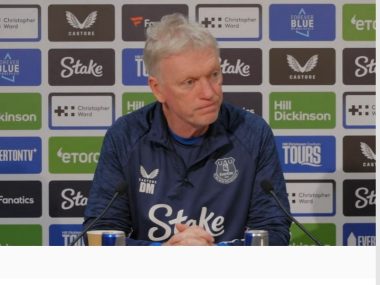
The connection runs deeper when considering Moyes’ own history with Everton. From 2002 to 2013, he transformed the club into consistent top-half contenders, often punching above their weight against sides like Leeds. His departure to Manchester United marked the start of Everton’s turbulent era, and today’s loss serves as a stark reminder of how far they’ve fallen. Post-match, Dyche’s conference was measured but tense, avoiding fireworks yet hinting at frustrations with squad depth and injuries. Unlike Moyes’ outburst, which highlighted toxic masculinity in the sport, Dyche focused on “building resilience”—but the underlying stress is palpable.<grok:render card_id=”344a44″ card_type=”citation_card” type=”render_inline_citation”>
<argument name=”citation_id”>2</argument>
</grok:render>
This revival of Moyes’ controversy in light of Everton’s stumble underscores a broader lesson: in football’s cauldron, words matter as much as wins. The 2017 incident prompted reforms, including better media training and diversity initiatives, yet managerial blow-ups persist amid relentless pressure. For Everton, reeling from Leeds’ triumph, the path forward involves not just tactical tweaks but composure under the spotlight. As fans dissect today’s debacle, Moyes’ slap threat remains a cautionary tale—one that warns against letting defeat dictate decorum.

 admin
admin
 Wagwanvibes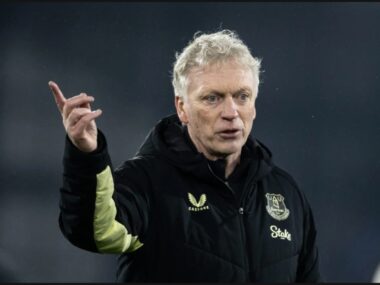
 Rasheed