 X
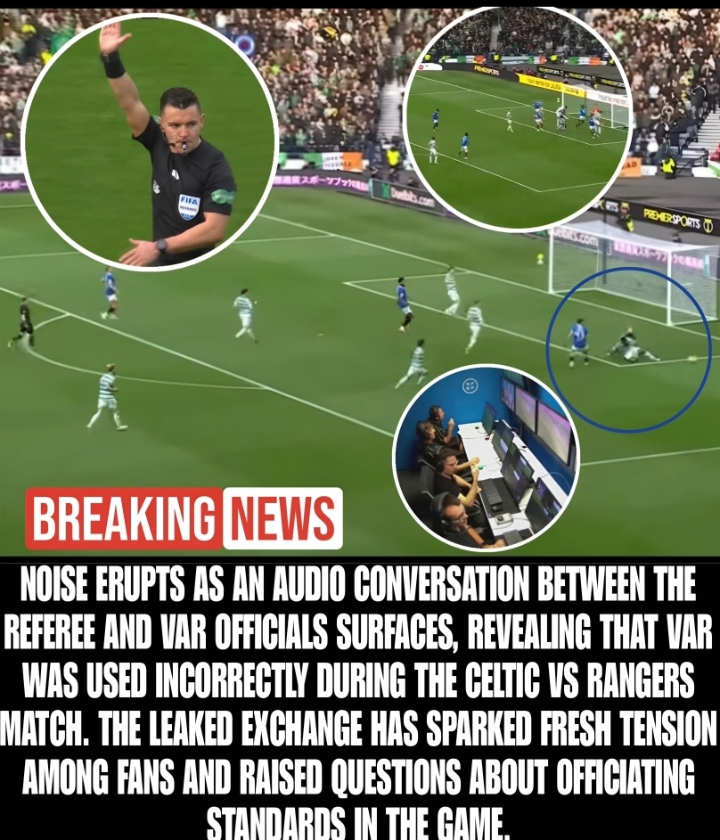
XThe football world has been thrown into turmoil following an incident that has left supporters, pundits, and even neutral viewers completely stunned. What started as a heated moment on the pitch has now spiraled into a full-blown controversy that could force FIFA to step in and address what many believe to be one of the most embarrassing moments in recent football history.
The outrage began shortly after the match, when fans noticed clear inconsistencies in the officiating that seemed to alter the course of the game. As footage and audio clips began to circulate online, frustration grew rapidly, and football communities across social media platforms were flooded with anger and disbelief.
Supporters have not held back their opinions, with many calling the entire situation a “complete disgrace” and insisting that FIFA must immediately investigate the matter. One frustrated fan wrote, “This is unacceptable — if the governing body doesn’t take control now, we might as well say goodbye to fair play.” Others echoed similar sentiments, emphasizing that what unfolded on the pitch should never happen at this level of the sport.
The debate centers around a controversial decision made during a crucial stage of the match — one that appeared to defy not only logic but also the fundamental rules of the game. Critics argue that the incident highlights a deeper issue within modern football: the inconsistency of officiating, even with advanced technology such as VAR being introduced to ensure fairness.
According to several reports, communication between the referee and the VAR team was questionable, with some suggesting that the officials may have misapplied the rules or failed to review a critical play properly. While nothing has been officially confirmed, leaked discussions and fragments of audio have fueled speculation that human error or misjudgment played a huge role in the decision.
For fans, however, the frustration runs deeper than a single call. They feel that football’s integrity is being compromised by repeated officiating errors that seem to go unchecked. “FIFA should take responsibility for this mess,” another supporter wrote on X (formerly Twitter). “This is not just a mistake — it’s negligence. Someone has to answer for it.”
Pundits have also joined the conversation, describing the situation as a “wake-up call” for football’s governing bodies. Some believe that stricter oversight and accountability need to be enforced for VAR operations, while others suggest a complete review of how the technology is used in major matches. The incident has become a rallying point for those who have long argued that VAR, while introduced to bring transparency, has often created more confusion and frustration than clarity.
As pressure mounts, FIFA faces growing calls to intervene directly. Historically, FIFA has been reluctant to involve itself in domestic officiating matters unless clear evidence of misconduct or procedural failure is presented. But the sheer scale of public backlash this time may push them to act. Supporters are demanding that FIFA launch a formal inquiry, review the communication logs between the referee and VAR officials, and ensure that such a blunder never happens again.
“This is the first time something like this has ever happened at this level,” one long-time supporter told reporters. “If FIFA ignores it, they’re sending a message that mistakes like these are acceptable — and they’re not.”
The controversy has also sparked debates among analysts over whether referees are given too much autonomy when using VAR. Some believe that clearer guidelines should be established to prevent subjective interpretations from deciding the outcome of a match. Others say that football’s human element will always invite errors, and that fans’ expectations for flawless officiating may be unrealistic.
Regardless of where one stands, the general consensus is that something went very wrong. Whether it was a breakdown in communication, a technical glitch, or a failure to apply the rules correctly, the fallout has shaken confidence in officiating standards worldwide.
Clubs involved in the incident have yet to issue official statements, but internal discussions are reportedly taking place. Sources close to the situation claim that both managers were visibly upset after the match and have quietly pushed for answers through their respective associations.
Meanwhile, supporters have organized online petitions and hashtags calling for justice, with thousands signing in the first few hours. The movement shows no sign of slowing down, and the longer FIFA remains silent, the louder the demands become.
At this point, fans are not just seeking an apology — they want reform. They want assurance that this kind of chaos will not define football’s biggest matches again. They believe accountability must start at the top, and that FIFA has a duty to protect the credibility of the game.
As one fan put it succinctly: “We love football because it’s supposed to be fair. If it stops being fair, then what are we even watching?”
The message is clear. The world of football is waiting — not for excuses, but for action.


 X
X
 Oojays_gram
 Rasheed
 admin
admin