 X
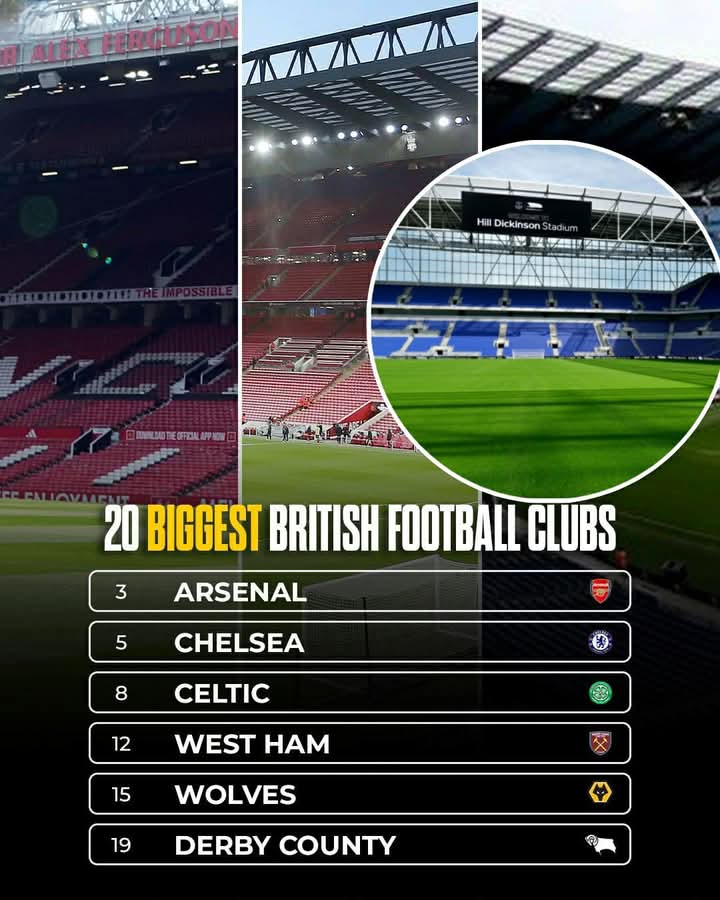
XNewcastle United has taken over football conversations worldwide after being ranked among the biggest and most influential clubs in the entire history of British football. The announcement shocked fans across the country, lighting up social media platforms and triggering heated debates as supporters tried to process the Magpies’ unexpected placement. What many thought would simply be another routine ranking has transformed into one of the most widely discussed football stories of the week, with Newcastle’s “surprise spot” becoming a major talking point across the Premier League and beyond.
For generations, Newcastle United has been known for its loyal fanbase, iconic stadium atmosphere, emotional football culture, and historic presence in English football. Yet seeing them rise so high on a list that combines success, heritage, influence, and long-term contribution to British football history caught many people off guard. Some fans believe this recognition is long overdue, while others argue the club has finally been given the respect it has earned over decades. Either way, the ranking has created waves across every corner of the football community.
Newcastle’s story spans well over a century, shaped by unforgettable eras, legendary players, passionate managers, and a fan culture that is arguably one of the strongest in the world. Despite long spells without major trophies, the club’s significance in British football has never truly faded. Analysts behind the rankings pointed to Newcastle’s incredible fan loyalty, their historical achievements, the influence of St. James’ Park, their long presence in the top division, and their overall cultural importance when explaining why the Magpies landed such a high position.
What shocked many supporters is the timing. Newcastle has been undergoing a major transformation in recent years, experiencing financial limitations in the past, relegation battles, ownership problems, and long periods of instability. Yet the club’s deeper football identity — its heritage, its global fanbase, and its historical weight — still stands tall. Football historians reminded fans that rankings like this are not based solely on modern-day performances but on decades of legacy, records, contributions, influence, and cultural power. And Newcastle’s influence runs deep.
The reaction online has been explosive. Newcastle supporters have filled timelines with celebratory messages, pointing to the club’s rich past and the emotional bond shared between the team and their city. Many highlighted iconic moments that shaped the Magpies’ identity, from thrilling Premier League campaigns to historic European nights and the unforgettable entertainers’ era under Kevin Keegan. Others reminded rival supporters that Newcastle’s reputation goes far beyond recent seasons — it is built on more than 130 years of football heritage.
On the other hand, some fans of rival clubs expressed surprise and skepticism. They argued that Newcastle’s lack of major silverware in recent times should have placed them lower. But their opinions were quickly countered by football analysts who emphasized that trophies alone do not define a club’s place in history. Influence, cultural impact, fan loyalty, stadium legacy, and long-term consistency all play major roles — and in those areas, Newcastle ranks exceptionally high.
Pundits broke down the criteria used to measure the “biggest clubs” in British history, pointing out several elements where Newcastle excelled. St. James’ Park, with its towering stands and electrifying atmosphere, remains one of the most iconic stadiums in the world. The club’s fanbase is famously devoted, consistently filling the stadium regardless of league position or financial struggles. Historically, Newcastle has also produced and attracted legendary players who left unforgettable marks on English football. And while trophies define champions, identity defines giants — and identity is something Newcastle possesses in abundance.
The ranking also opened discussions about football’s generational gap. Younger fans, who mainly witnessed Newcastle during difficult years, were shocked to learn how influential the club had been throughout the 20th century. Older supporters, meanwhile, proudly reminded everyone of the club’s golden years — the trophies, the European adventures, the legends, and the eras when Newcastle stood toe-to-toe with the biggest teams in England. This clash of perspectives added fuel to the trending debates.
For Newcastle supporters, this recognition comes at a meaningful time. With new ownership, ambitious long-term projects, investments, academy development, and growing global presence, the club is building toward a strong future. Being acknowledged as one of the greatest clubs in British football history is a massive boost that reinforces everything the fans have always believed — that Newcastle United is not just a club but a symbol of pride, passion, and resilience for an entire city.
As the discussion continues to spread, one thing has become absolutely clear: Newcastle United’s place in British football is impossible to ignore. Their story is powerful, their culture is unique, and their influence stretches across generations. Securing a shock spot on such a prestigious ranking has revived conversation, stirred emotions, and reminded fans everywhere why the Magpies remain one of the most iconic names in the sport.
In the end, this ranking does far more than list Newcastle among the greats — it reaffirms the club’s heritage, their identity, and their lasting impact on the game. And for supporters across Tyneside and beyond, it is a moment of pride, validation, and renewed belief in the journey ahead.
—


 Eddy
Eddy
 X
X
 admin
admin


 Wagwanvibes