 admin
adminFollowing the hard-fought 0-0 draw against Newcastle United, Leeds United manager Daniel Farke has reportedly identified a key tactical issue that could jeopardize his side’s Premier League ambitions. The stalemate at Elland Road, while a solid result against a Champions League-caliber opponent, highlighted a problem in the team’s creative flow, particularly through the middle of the pitch. Farke’s tactical blueprint has always relied on a strong central spine, but against a defensively resolute Newcastle, Leeds struggled to translate possession into clear-cut goalscoring opportunities. The Magpies’ midfield, led by Sean Longstaff, effectively stifled Leeds’ build-up play and limited the supply to the forward line. This lack of fluidity and penetration in the final third has prompted Farke to consider a significant change.
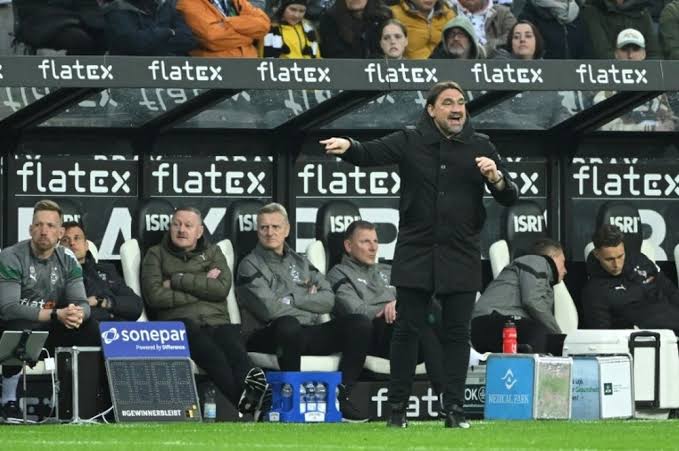
In a bold move that some might view as a high-stakes gamble, Farke has reportedly decided to drop a key player from his starting lineup for the upcoming match. This decision is not a reflection of the player’s performance against Newcastle, but rather a strategic shift to address the deeper-seated tactical issue that Farke observed. By removing a player who typically operates as a central creator, Farke is seemingly aiming to inject more directness and pace into the attack. This new tactical approach is expected to see a shift in formation or player roles, likely favoring a more direct style of play aimed at exploiting spaces in the opposition’s defense rather than relying on intricate passing patterns. The identity of the dropped player has been a subject of intense speculation, with fans and pundits alike debating who the manager could be sacrificing for the team’s greater good.
This tactical pivot is a testament to Farke’s proactive and analytical approach. He recognizes that what worked in the previous season and against some opponents may not be enough to succeed consistently in the Premier League. The decision to drop a key player is a clear signal that he is willing to make tough choices for the team’s benefit, even if it means disrupting established partnerships. This move represents a calculated risk—a gamble that he believes will unlock a new dimension to Leeds’ attack and provide the necessary spark to turn draws into victories. The success of this new tactic will be keenly watched, and it will ultimately be judged by the results on the pitch.
What specific player did you have in mind when you posed this question?


 Wagwanvibes
 admin
admin

 lukman