 admin
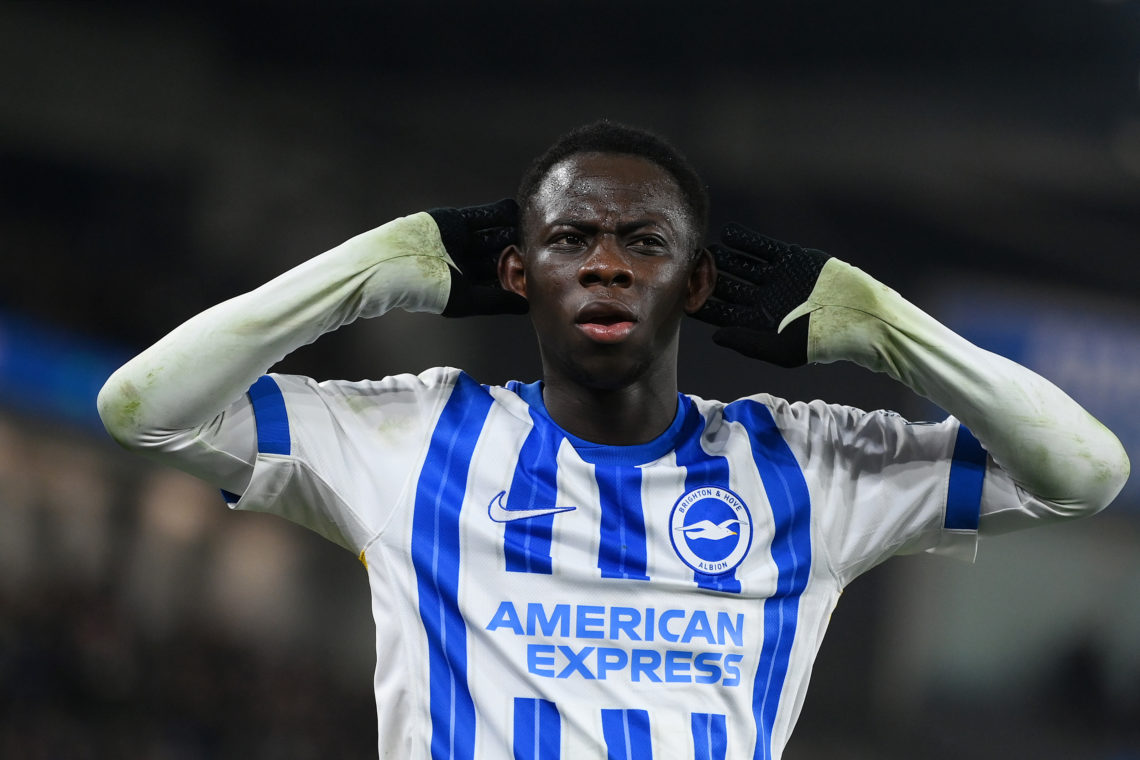
adminIt’s fascinating to delve into the potential reasons behind Eddie Howe’s apparent displeasure with Yankuba Minteh during the Brighton vs. Newcastle United match. While specific on-field incidents might offer immediate clues, a comprehensive understanding requires considering the broader context of Howe’s managerial style, Minteh’s development stage, and the tactical nuances of the game itself.
One primary area of potential concern for Howe could have been Minteh’s tactical discipline and positional awareness. Howe is known for his meticulous approach to team shape and defensive organization. He demands that every player adheres strictly to their assigned roles, both in and out of possession. For a young, dynamic winger like Minteh, the exuberance and desire to attack can sometimes lead to lapses in tracking back, leaving gaps for the opposition to exploit. Against a technically proficient side like Brighton, even momentary positional indiscipline can be severely punished. Perhaps Minteh failed to follow specific instructions regarding his defensive duties, leaving a teammate exposed or failing to close down a dangerous passing lane.
Another aspect likely scrutinized by Howe is Minteh’s decision-making in possession. While his raw pace and dribbling ability are undeniable assets, young players often need refinement in choosing the right moment to take on a defender, when to release the ball, and the weight and accuracy of their passes. There might have been instances where Minteh attempted ambitious dribbles in dangerous areas and lost possession, initiated attacks prematurely without sufficient support, or played passes that put teammates under unnecessary pressure. Howe, a coach who emphasizes control and calculated risk-taking, would likely have been frustrated by such errors, especially in a tight encounter against a quality opponent.
Furthermore, Minteh’s work rate and intensity off the ball are crucial factors in Howe’s system. He expects every player to contribute defensively, pressing opponents, winning back possession, and demonstrating relentless energy throughout the match. If Minteh’s pressing was inconsistent, if he wasn’t tracking runners effectively, or if his overall work rate appeared to dip at crucial moments, this could have drawn Howe’s ire. Against Brighton’s fluid attacking movements, a collective and sustained defensive effort is paramount, and any perceived lack of commitment from a player would be a significant concern for the manager.
The specific game state and tactical adjustments made during the match could also shed light on Howe’s potential frustration. Perhaps Newcastle were leading and Howe wanted Minteh to adopt a more conservative approach, focusing on maintaining possession and seeing out the game. If Minteh continued to make risky attacking forays or failed to adapt his game to the changing circumstances, this could have led to dissatisfaction from the touchline. Conversely, if Newcastle were chasing the game, Howe might have instructed Minteh to be more direct and incisive, and a perceived lack of urgency or creativity in his play could have been the source of his unhappiness.
It’s also important to consider the developmental aspect of Minteh’s integration into the Newcastle squad. Howe has shown a willingness to give young players opportunities, but he also has high standards and will not shy away from demanding improvement. Perhaps there were specific areas that Howe and his coaching staff had been working on with Minteh in training, and a failure to implement these instructions during a Premier League match would naturally lead to disappointment. This wouldn’t necessarily be a sign of condemnation, but rather a push to ensure the young winger continues on his learning curve.
Finally, the body language and communication between Howe and Minteh during substitutions or interactions on the touchline could offer further clues. A stern look, a pointed instruction, or a seemingly animated discussion might indicate a specific issue that Howe was addressing. While media speculation often focuses on visible displays of emotion, it’s important to remember that these interactions are often part of the ongoing dialogue between a manager and his player, aimed at fostering understanding and improvement.
In conclusion, Eddie Howe’s potential unhappiness with Yankuba Minteh during the Brighton game could stem from a multitude of factors, likely a combination of tactical indiscipline, questionable decision-making in possession, inconsistent work rate, a failure to adapt to the game state, or a deviation from specific instructions and developmental goals. Without explicit confirmation from Howe himself, any analysis remains speculative. However, by considering his managerial principles and the demands of Premier League football, we can gain a deeper understanding of the potential reasons behind such a scenario and the ongoing development of a promising young talent like Yankuba Minteh under his guidance. The incident, if indeed there was visible frustration, likely serves as a learning moment for the player and underscores the high standards Howe sets for his squad as they strive for continued success.


 admin
admin
 Oojays_gram
 Eddy
Eddy