 X
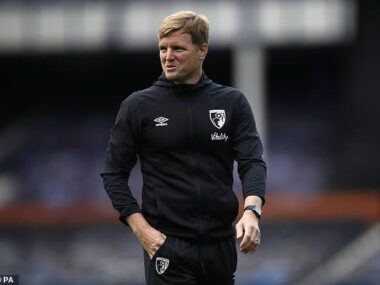
XWhat stood out most was how unmistakably real the moment felt. There was no sense of preparation, no hint that the words had been rehearsed or polished in advance. Instead, it came across as a reaction born entirely from the weight of the occasion. The delivery wasn’t smooth in a media-trained way, and that was precisely what made it powerful. It sounded like someone speaking because they had to, not because a microphone was placed in front of them. That kind of honesty is rare at the highest level of football, where interviews are often reduced to safe phrases and predictable answers.
As he spoke, you could sense the strain that had been building long before the final whistle. Every sentence felt heavy, as though it carried the burden of weeks — maybe months — of expectation, responsibility, and internal pressure. This wasn’t just about a single match or a scoreline; it reflected the emotional toll of competing at the top, of being relied upon when standards are high and scrutiny is constant. His voice didn’t need to rise or crack for the message to land. The intensity was embedded in the pauses, the choice of words, and the way he seemed to measure each thought as it left his mouth.
There was an underlying tension that resonated with supporters instantly. Fans are used to hearing post-match reactions that gloss over difficulty, but this was different. It acknowledged struggle without explicitly spelling it out. You could feel that this was someone who had been carrying responsibility quietly, absorbing criticism, expectation, and pressure without deflecting it onto others. That silent endurance is often invisible during the 90 minutes, but moments like this pull back the curtain and reveal what leadership truly looks like behind the scenes.
What made the response particularly striking was how far it drifted from the usual media narrative. There were no clichés about “taking it one game at a time” or “the lads giving 100 percent.” Instead, it felt grounded, personal, and reflective. It wasn’t about selling a story to the public; it was about expressing a truth. That authenticity is what immediately separated the moment from routine post-match commentary and turned it into something fans would replay, quote, and analyze.
Leadership in football is often misunderstood. It’s easy to associate it solely with shouting instructions, wearing an armband, or delivering rousing speeches in the dressing room. But real leadership often reveals itself in quieter, more vulnerable moments — when a player allows emotion to surface and doesn’t hide behind rehearsed answers. In this instance, leadership showed up as accountability, composure under pressure, and the willingness to speak honestly even when it would be easier to say nothing at all.
The reaction from supporters made perfect sense. Fans don’t just connect to goals and wins; they connect to sincerity. Seeing a player articulate what many inside the club likely feel creates a bridge between the pitch and the stands. It reassures supporters that the person representing them understands the gravity of the badge, the expectations attached to it, and the emotional investment that comes with wearing it. That shared understanding strengthens trust — something no tactical masterclass can manufacture.
There was also a sense that the moment reflected growth. Responses like this don’t usually come from players who are detached or passing through. They come from individuals who feel deeply connected to the project, to the people around them, and to the consequences of success or failure. The words suggested someone who sees themselves as part of something bigger, someone who feels responsible not just for their own performance but for the collective direction of the team.
In an era where footballers are often criticized for sounding robotic, moments like this cut through the noise. They remind everyone that beneath the sponsorships, interviews, and analysis are humans dealing with pressure in real time. That humanity is what fans responded to most strongly — not perfection, not polish, but truth.
Ultimately, this wasn’t just a post-match reaction. It was a glimpse into the mindset of a leader under strain, choosing honesty over convenience. It reinforced the idea that leadership isn’t always loud or dramatic. Sometimes, it’s simply about speaking from the heart when the moment demands it — and trusting that authenticity will carry its own weight.


 lukman
 Wagwanvibes
 admin
admin